
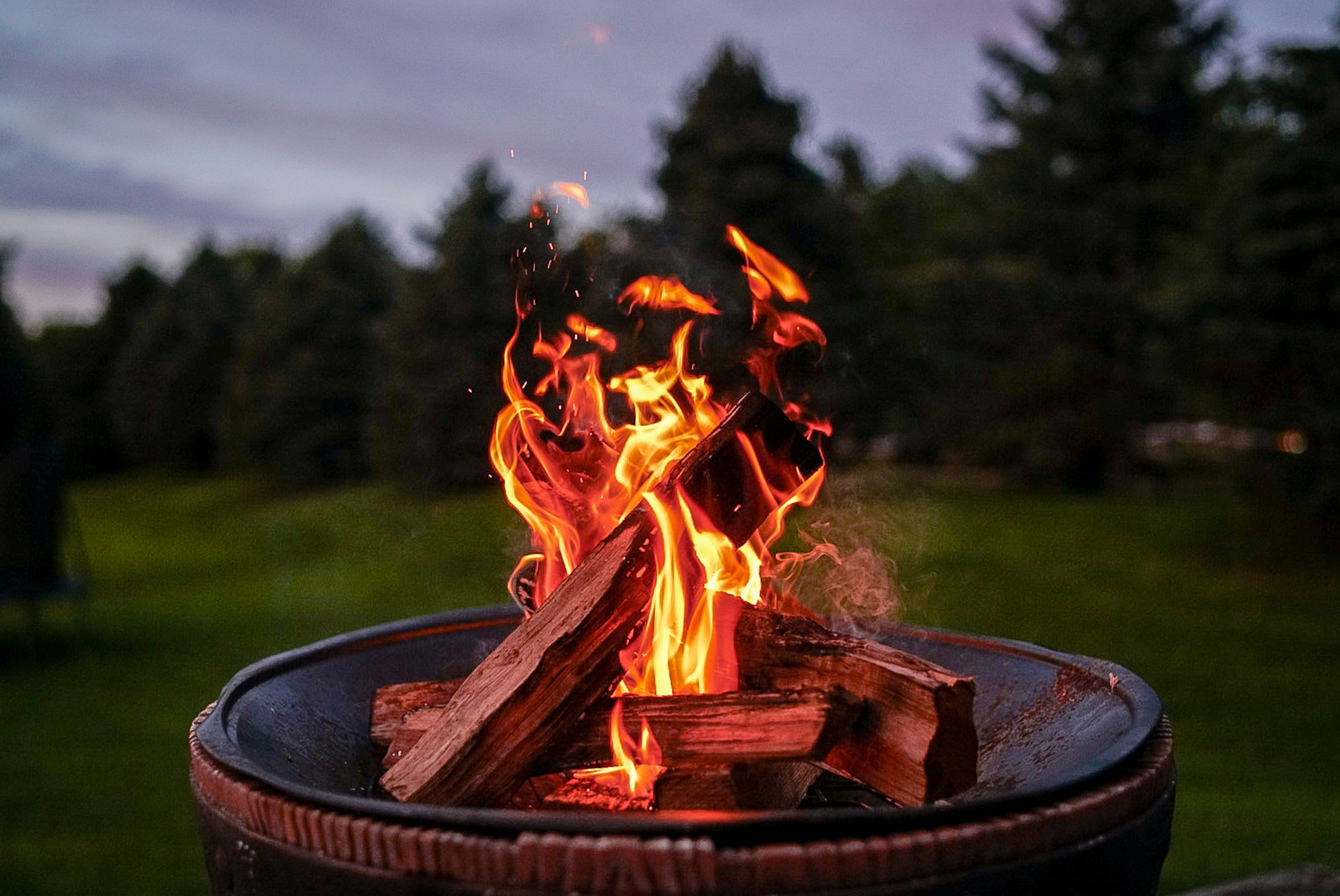
A well-lit fire offers the perfect experience for your senses: the oaky, woody smell; the crackle and light of the flames, along with the pleasant warmth and glow shared with the people around you. It’s the perfect reason to get outside and enjoy nature.
For a faster, cleaner, and easier start, use a reliable fire pit starter instead of lighter fluid or messy ignition methods. RocketFire’s fire pit starters are designed to help you light your fire pit quickly, even when conditions are less than perfect.
Before you start lighting, it’s important to know how to light a fire pit correctly. In this article, we will walk you through lighting a fire pit, common mistakes to avoid, and how to keep it well-lit.
Why Lighting a Fire Pit Correctly Matters
When it comes to lighting a fire pit, taking the proper steps and doing it correctly matters because it will allow for:
- Faster ignition
- Less smoke
- Better burn consistency
- Safer outdoor fires
- Easier fire management in difficult conditions
What Makes a Fire Pit Easy to Light
Most fire pits are easy to light; the struggles typically come with the setup. Getting your fire pit to light consistently comes down to 5 factors:
-
Making Sure Your Fuel Is Dry: If you're lighting wet wood, the heat will only evaporate the moisture, not start your fire. It’s best to use dry kindling and seasoned firewood, with a moisture content below 20%.
-
Ensuring Proper Airflow: Adequate airflow provides oxygen to your fire and promotes a clean burn. Without it, you get more smoke, weaker flames and a fire that is hard to keep lit.
-
Stacking Your Wood Correctly: How you stack your firewood has a major impact on airflow. Use stacking layouts that best promote steady flames and less smoke.
-
Having Appropriate Wind Protection: Consider building your fire pit in a location with a natural windbreak to help your fire burn longer and prevent blown sparks from igniting nearby objects.
-
Having A Reliable Fire Pit Starter: It is just as important as the setup. Using a propane-powered fire pit starter allows for more control and quicker lighting than conventional lighter fluids or slow-starting kindling methods.
With these factors in place, lighting your fire pit becomes much easier. Follow these steps to get your fire going quickly and safely.
How to Light a Wood Fire Pit Properly
Lighting a wood fire pit correctly starts from the ground up. If you follow these simple steps, you will get a clean and consistent burn every time:
- Prepare Tinder and Kindling: Gather seasoned firewood and dry kindling such as bark, small splits, paper, and fire starters. This will help your fire start quickly and burn more easily.
- Stack Wood For Airflow: Avoid tightly packed logs when stacking your wood. Stacking wood for a fire, like in a teepee or log cabin layout, allows oxygen to flow and your fire to burn efficiently.
- Use Direct Concentrated Flame: Using a concentrated heat source, like a propane-powered torch aimed at the base of your stack, allows for more control and faster lighting of your pit, using less fuel.
-
Let The Fire Burn and add logs gradually: Let your kindling and smaller logs burn into a coal bed before adding larger logs to prevent smothering.
Fire Pit Lighting Ideas for Backyard Setups
There are subtle differences between lighting a fire pit in a big, open space, like a campground or forest, and lighting one in your backyard. Consider these small adjustments when building and lighting your fire pit in smaller backyard spaces:
-
Position the Fire Pit Away From Wind Tunnels: Notice how the wind moves through your backyard before picking the spot for your fire pit. Structures with gaps and open corners, such as fencing, walls, or hedging, can create a natural windbreak, helping your fire burn more effectively.
-
Consider Seating Layouts That Don’t Block Airflow: Seating can affect airflow in your fire. Sticking seats too close together can limit air movement. Having gaps between seatings can allow air to move freely.
-
Keep Wood Dry and Elevated: Keeping wood elevated prevents moisture absorption, helping your fire start quickly and release less smoke and more heat.
-
Light Fires Quickly When it’s Windy: Conditions can change quickly, and sometimes it can actually be too windy for fire. Once you have your wood stacked, do not wait to light up. This is where having a propane torch lighter will come in handy. It’s a quick, concise way to start your fire before the wind changes.
How Wind Affects Fire Pit Lighting
There may be times when you need to light a fire pit in windy conditions. So, how much wind is too much for a fire?
Wind can be an overlooked factor in building a successful fire, and can also be the most disruptive. Even a moderate breeze can affect your ignition and blow smoke towards your guests. Here is a quick breakdown to consider when lighting your fire in windy conditions:
-
A Light Breeze: Typically manageable. When lighting your fire, make sure the wind is at your back and let the breeze feed oxygen into the base.
-
A Moderate Breeze: Proceed with caution. Keep the fire small, use a windbreak if possible, and pay close attention to how your sparks are blowing. For more control, a propane fire-starter will come in handy.
-
Strong Winds: Avoid lighting your fire pit altogether. High winds can turn your fire pit into a hazard quickly. It can make lighting your pit difficult, and even once lit, it can cause sparks to fly and catch things on fire.
Can You Burn Wet Wood in a Fire Pit?
When it comes to lighting your fire pit, sometimes poor conditions don’t stop with wind. The wood itself can pose problems. What happens if you need to start a fire but only have wet wood? Can you still burn wet firewood?
The short answer is yes, but it does come with considerable drawbacks, including:
- It burns inefficiently, producing less heat.
- Excess moisture creates more smoke.
- Wet wood is harder to ignite and produces a weaker flame.
For a well-burning fire, use dry, seasoned wood and kindling in your fire pit.
Why Your Fire Pit Smokes So Much
In addition to wet wood, other factors can lead to a smoky fire:
- Poor airflow.
- Overloaded fire pit.
- Low temperature burns.
- Ash buildup, restricting oxygen.
A smoky fire is a clear indicator that something is off. Understanding why your fire pit produces so much smoke is the first step to fixing it. The goal is complete combustion and good oxygen flow. Here are a few simple steps you can take to achieve that:
- Use seasoned, dry firewood.
- Stack your wood loosely.
- Have proper gaps in your wood stack for airflow.
- Avoid smothering your flames too early.
How to Build a Fire in Colder Conditions
Colder seasons, like winter, make lighting a strong fire difficult. There are quite a few factors that can work against you that aren’t a factor during warmer months.
Cold surfaces absorb heat; snow produces moisture, which can weaken your wood and produce more smoke; frozen wood can slow ignition; and bitter, gusty winds can create unsafe conditions.
If you are planning a winter bonfire or you're building a fire pit in colder weather, consider these helpful tips to help get one started:
- Clear snow below the fire pit.
- Elevate wood from wet ground or surfaces.
- Use extra kindling.
- Build smaller, controlled flames first.
Choosing the Right Fire Pit Starter
Preparation and technique go a long way toward lighting a fire pit. But having the right lighting source makes things easier and more efficient. A quality fire pit starter not only provides convenience but also helps tie all the other elements together to ensure a successful fire, especially when conditions are less than ideal.
Here is how the right fire pit starter can make a difference for your next camp gathering:
- Provide a fast ignition every time.
- Controlled flame that provides consistency.
- A more efficient startup reduces the smoke from a fire.
- So versatile, it can be used everywhere from fire pits to BBQs, smokers, and campers.
- Useful in difficult conditions, such as wind or winter.
Explore fire pit starters made for faster lighting and more control over outdoor fires.
Proper fire pit lighting comes down to proper airflow, heat source, how you prepare your wood, and weather conditions. Small mistakes can lead to difficult starts, inconsistent starts and unsafe conditions.
Whether you are dealing with wet wood, winter weather, or gusty winds, building the fire correctly from the start can make all the difference.
Why Your Charcoal Won’t Stay Lit: Troubleshooting Tips for Grilling
The Best Grill Accessories to Upgrade Your Charcoal Grill